Infrastructure monitoring in construction is the process of measuring and assessing the behaviour, condition, and performance of structures, ground conditions, and surrounding assets during construction and throughout their operational life. It typically involves the use of geotechnical and structural instrumentation to collect data on factors such as movement, settlement, vibration, strain, groundwater levels, load, and deformation.
The primary purpose of infrastructure monitoring is to verify design assumptions, assess construction impacts, manage risks, ensure public safety, and provide early warning of potential problems. It is commonly used on projects such as tunnels, railways, highways, bridges, retaining walls, dams, deep excavations, and adjacent buildings where changes in ground or structural behaviour could affect the integrity of the infrastructure or nearby assets.
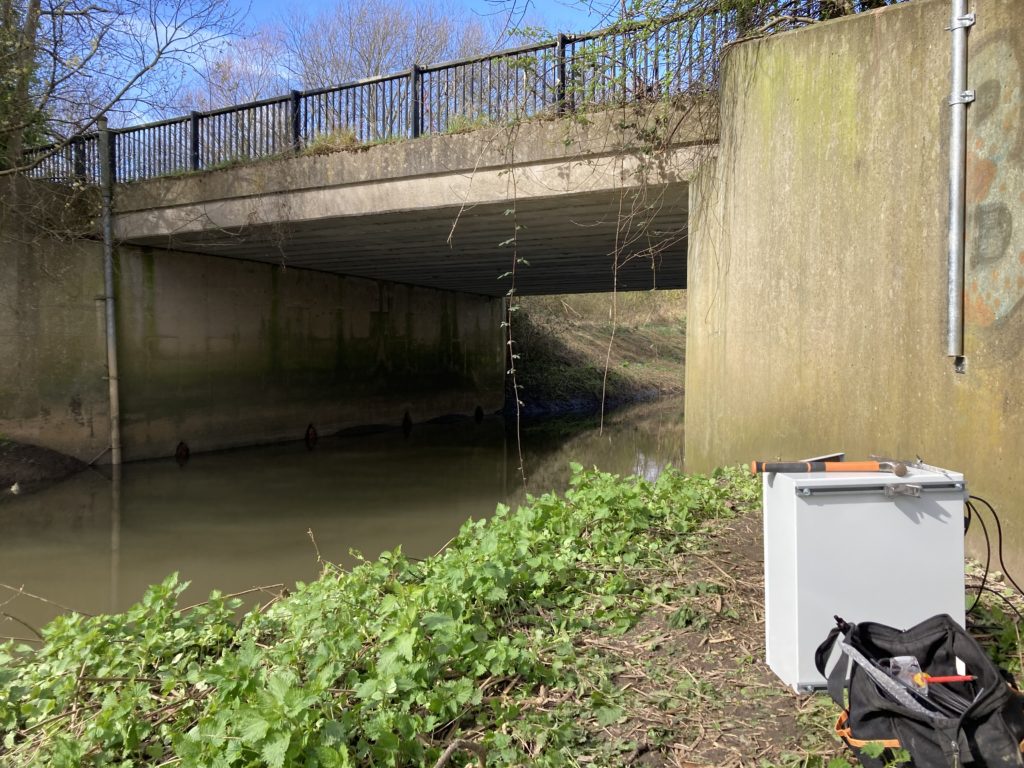
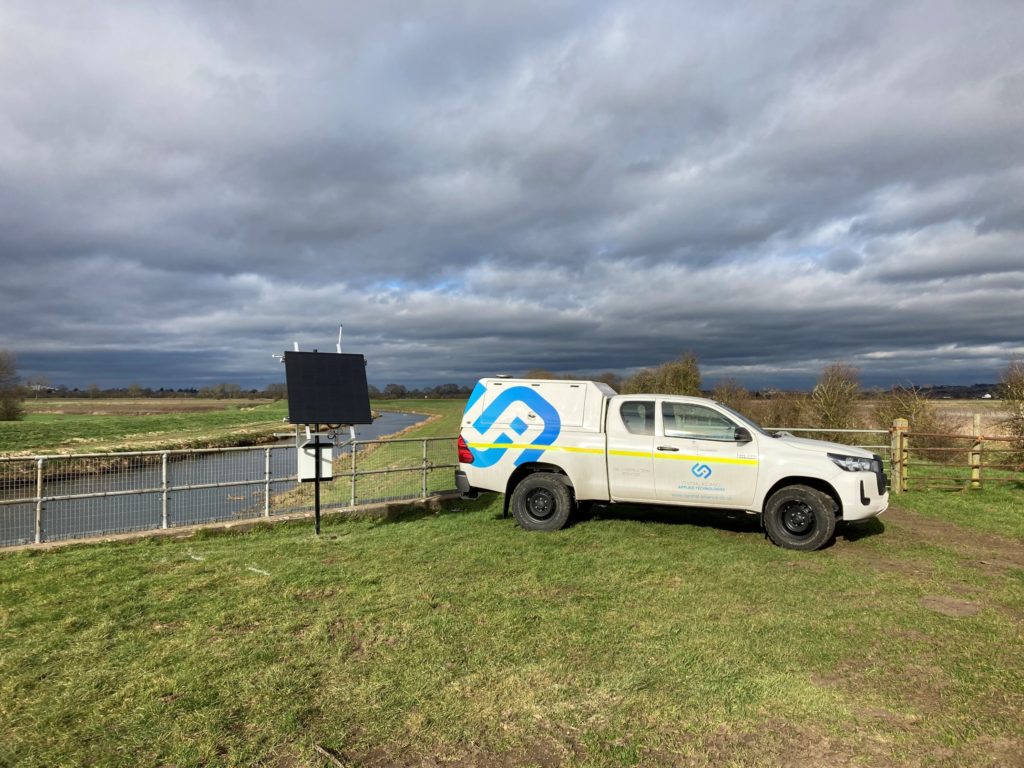
Image of a river in Teesside where Sight Automation and Central Alliance completed an installation of water level and flow sensors to measure water flow and level in the river channel.
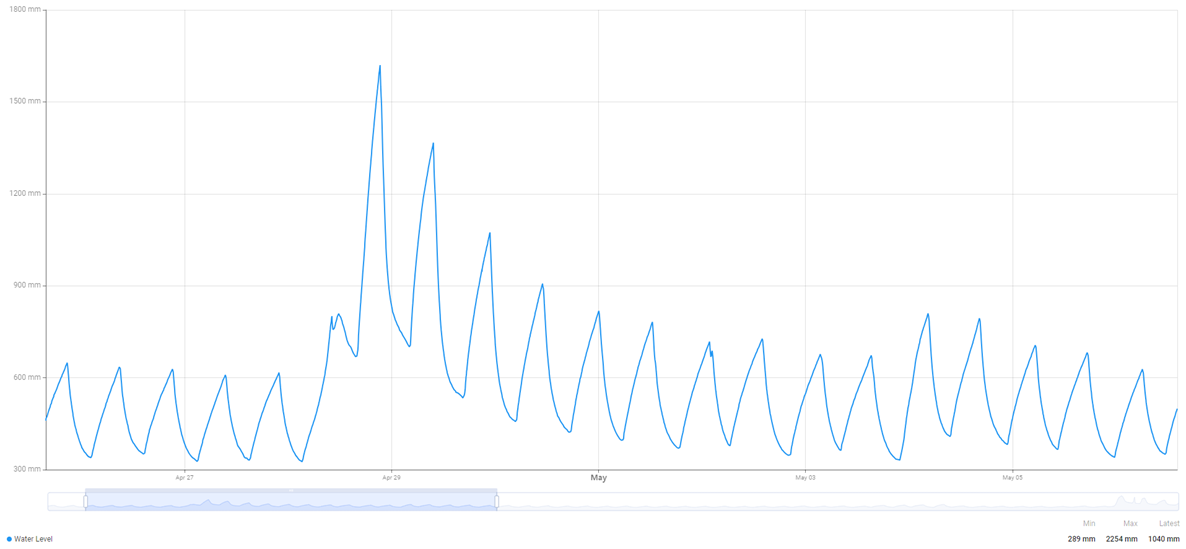
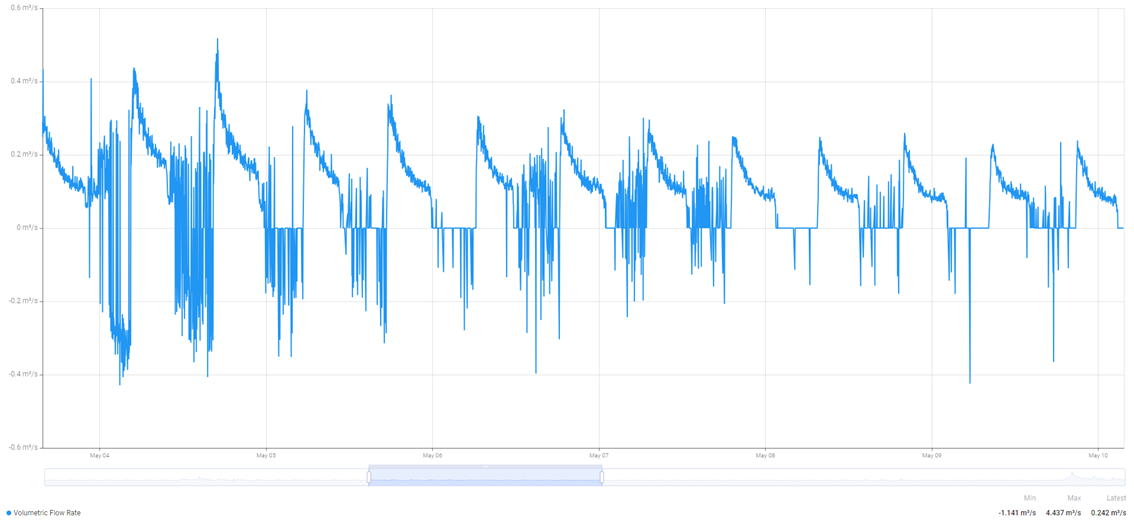
Sight Automation Portal of time plots showing water flow and level changes in a slow flowing river channel
We Can Apply Our Remote Monitoring to the Below Infrastructure Assets:
Tunnels, bridges, structures and earthworks including loads, deformation, vibration and temperature.
Track geometry including twist and cant
Track temperature
Weight-in-Motion including traffic volume and axel loads