
What is Water Monitoring?
Water monitoring is the process of measuring and assessing the quality, quantity, and movement of water in natural and engineered environments, such as rivers, lakes, reservoirs, groundwater systems, and water supply networks. It involves collecting data on key parameters including water level, flow rate, temperature, pH, dissolved oxygen, turbidity, and the presence of pollutants or contaminants.
The information gathered can help our clients to evaluate water resources, detect pollution incidents, ensure compliance with environmental regulations, and protect public health and ecosystems. Effective water monitoring supports sustainable water management, enables early identification of potential issues and helps to ensure that water remains safe and available for both human use and the natural environment.
Under the Environment Act 2021, water quality requires continuous monitoring and reporting, highlighting the growing importance of innovative technologies that can deliver more reliable data in a cost-effective way.
We Assist our Clients to Meet the Environment Act, by Providing the Following Monitoring Services:
- Water levels
- Water turbidity and flow
- Temperature
- Salinity and resistivity
- pH levels and ammonia volumes
- Oxidation reduction potential (ORP)
- Quantify the dissolved oxygen levels
- Conductivity as an indication of chlorides, nitrates and phosphates
- Total dissolved solids
- Rain gauges
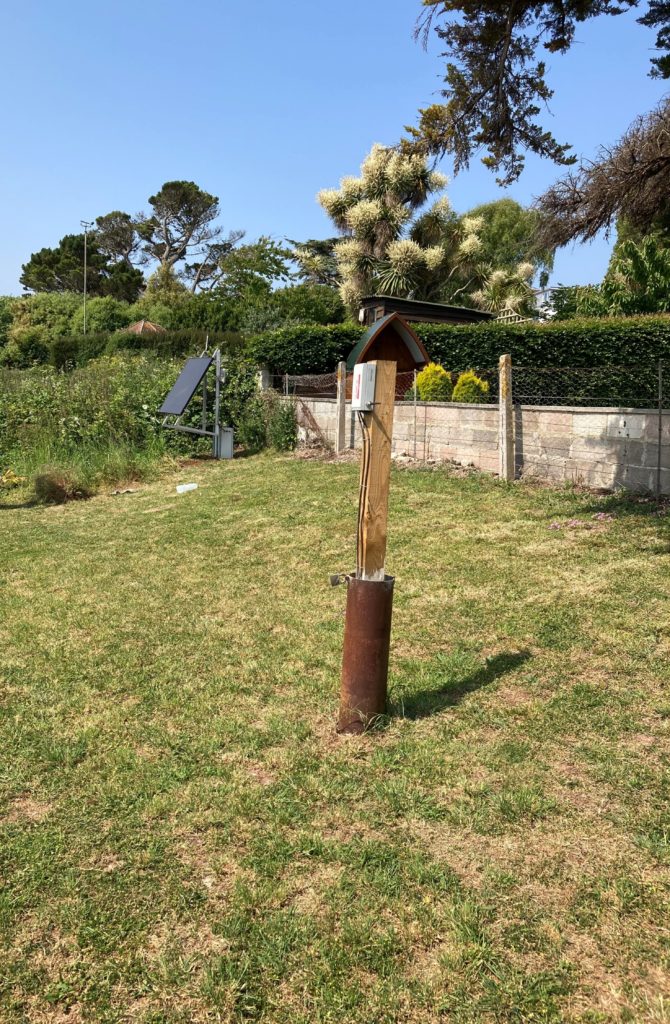
Image of Sight Automation gateway and VWP installation. The client specified a wooden post to be installed when instrumenting an existing historic borehole.
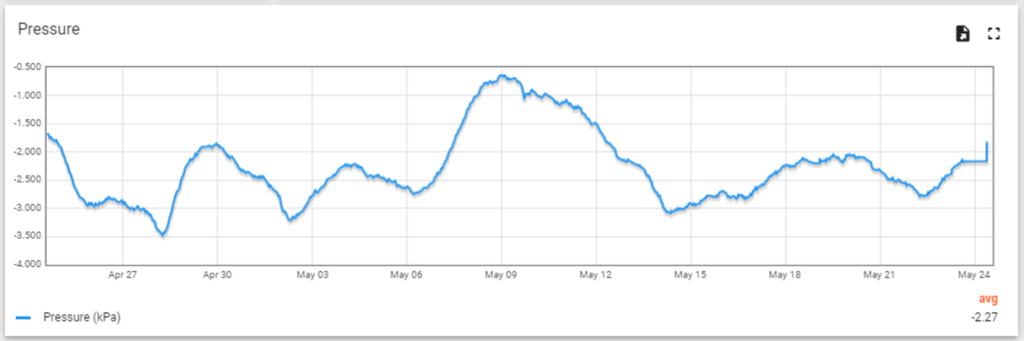
Sight Automation graph in the Portal showing a time plot to show ground pressure changes. This was used to interpret pore water pressure.